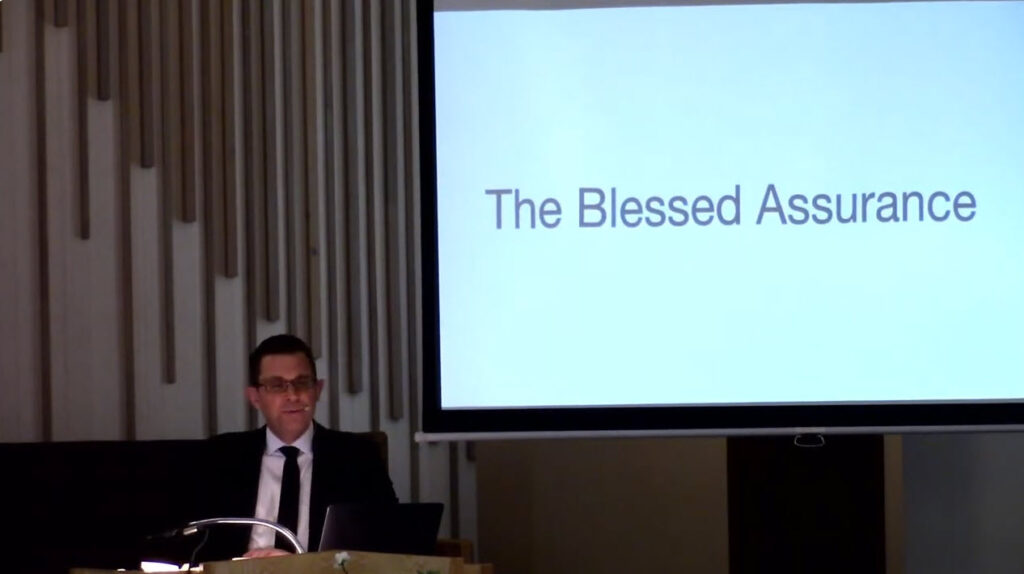

This sermon focuses on the profound themes of ethics, free will, religious liberty, righteousness, and faith, emphasizing the interconnection between these concepts through a biblical lens.
1. Introduction: The Importance of Sabbath and God’s Presence
- The speaker opens by thanking God for the Sabbath, a day of rest and spiritual renewal.
- Invokes God’s presence and protection as the message begins on ethic choice.
2. Definition of Ethics and God’s Character
- Ethics defined as principles of right conduct and moral values.
- God is portrayed as pure light and righteousness without darkness or variation (1 John 1:5; James 1:17).
- God is the ultimate source of morality and goodness (Mark 10:18).
3. The Fall of Lucifer and Free Will
- Lucifer was created perfect but chose to rebel against God due to pride, desiring to be like God (Isaiah 14:12-14; Ezekiel 28:14-15).
- His rebellion introduced sin and evil into the universe.
- The key issue is free will—the ability to choose between good (God’s righteousness) and evil (rebellion).
4. Creation of Man and Dominion
- God created man in His image with the unique ability to exercise dominion over the earth (Genesis 1:26; Psalm 8).
- Unlike angels, humans were given responsibility and freedom to rule.
- This freedom includes the choice to obey or rebel, central to the great controversy between good and evil.
5. The Great Controversy and Man’s Free Will
- Man’s fall came when Adam and Eve disobeyed God by eating from the forbidden tree, symbolizing a choice to rebel.
- This resulted in separation from God, loss of righteousness, and control by Satan.
- Nevertheless, humans retain free will—the power to choose obedience or rebellion.
6. Christ’s Role in Restoring Free Will and Salvation
- Christ’s sacrifice (Genesis 3:15; Romans 5:10) offers reconciliation, forgiveness, and restoration of free will.
- Grace is described as God’s divine influence implanting His mind and character within believers.
- True freedom involves choosing to serve God voluntarily—not forced obedience.
7. Religious Liberty and Its Biblical Foundation
- Religious liberty means freedom to worship according to one’s conscience.
- It is grounded in God’s law and character; forced worship or coercion violates God’s ethic of free will.
- Historical examples include persecution under papal supremacy (the Thyatira church era, Revelation 2).
8. The Sabbath as a Sign of Religious Liberty
- The Sabbath is emphasized as a sacred day of rest and worship instituted at creation (Genesis 2:2-3; Exodus 20:8-11).
- It serves as a reminder of God’s creative power and deliverance from sin (symbolized by Egypt).
- Observing the Sabbath is an expression of love for God, linking worship with obedience.
9. The Two Great Commandments and True Worship
- The greatest commandments are to love God with all heart, soul, mind, and strength, and to love neighbor as oneself (Matthew 22:37-39).
- True religious liberty balances love for God with love for others.
- Serving God means worshiping Him sincerely with full obedience.
10. The End-Time Conflict and Choice
- Biblical prophecy predicts increased persecution for those who keep God’s commandments, including the Sabbath.
- The mark of the beast represents enforced false worship, opposing religious liberty.
- Believers must be prepared to stand firm in their faith and choices amidst trials.
11. The Role of Grace in Character Transformation
- Without grace, man remains captive to sin; grace empowers victory over sin through faith in Christ.
- Character change is essential for salvation—obedience must be voluntary, stemming from love.
- Religious liberty entails not just freedom from coercion but freedom for spiritual growth.
12. Conclusion: Call to Choose God Freely
- Each person is a free moral agent responsible for their choices.
- Salvation requires exercising free will to accept Christ’s grace.
- The message calls for embracing religious liberty as a gift from Christ through His cross.
- Urges believers to reflect Christ’s character, uphold religious liberty, and prepare for the final test.
Key Biblical References Cited
| Topic | Scripture |
|---|---|
| God as Light | 1 John 1:5; James 1:17 |
| Lucifer’s Fall | Isaiah 14:12-14; Ezekiel 28:14-15 |
| Creation of Man | Genesis 1:26; Psalm 8 |
| Free Will | Joshua 24:15; Romans 8 |
| Christ’s Atonement | Genesis 3:15; Romans 5:10 |
| Religious Liberty | Revelation 2 (Smyrna & Thyatira); Daniel 8 |
| Sabbath | Genesis 2:2-3; Exodus 20:8-11 |
| Love Commandments | Matthew 22:37-39 |
| Grace & Character | Romans 7 & 8; Hebrews 1:9 |
Final Thoughts
The sermon calls for a deep understanding that true freedom is found in choosing to follow God voluntarily, empowered by His grace. It highlights religious liberty as both a divine right and responsibility, essential for character development and eternal life. The cross not only reconciles us but restores our freedom to choose righteousness and faith.